Knight at HOME at the Movies

 | |  | |  | |  | |  | |  | |  | |  |
Classics Roundup (Late Spring 2008)
A real range of everything, I am pleased to note, in this late spring edition of classic DVDs worth adding to your collection.
A real range of everything, I am pleased to note, in this late spring edition of classic DVDs worth adding to your collection.
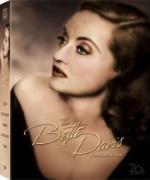
Things start off with a bang with Fox's Bette Davis Centenary Collection which celebrates the fiery actress' 100th
birthday with an assortment of titles favoring her on again/off again film work in the 1950s. The set, attractively
packaged (with the DVDs in slim cases - my bookshelf thanks you) includes a nicely detailed insert booklet and kicks off
with a much desired two-disc special edition of 1950's All About Eve. The film contains what may be arguably Davis'
greatest performance - certainly as Margo Channing, the aging theatrical diva, she found a role that perfectly fused her
off screen sensibilities with her on screen ones. In addition to the special features included on the previous release, Fox
has included a lot more background material on writer-director Joe Mankiewicz, the origins of the real life "Eve" and much
more. Plenty for casual fans and fanatics (like myself) to dig into. Then we get Davis in a supporting though pivotal in
1952's Phone Call From a Stranger, which is essentially a vehicle for Davis' then husband Gary Merrill, and then another new
to DVD release: 1955's The Virgin Queen, one of Davis' few films in color in which she takes on the part of Queen Elizabeth
for the second time, co-starring with Richard Todd and Joan Collins. Davis' performance takes some getting used to
(especially in light of Cate Blanchett's more recent, thrilling interpretation) but once the fire kicks in, the famed Davis
personality takes over. 1964's Hush, Hush Sweet Charlotte, already released is next up but this set includes several new
worthy extras (though the few outtake scenes with one time co-star Joan Crawford aren't among them, stills of Joan ARE
here). Finally, I was thrilled to have 1965's The Nanny at last on DVD. This tricky little thriller features a restrained
performance by Davis (one of her few) that scared me plenty as a child. I am happy to report that Davis as the unhinged
nanny, with her huge eyes betraying her murderous scheme, still left me unnerved. All in all, a terrific set.
Universal Studios has added four new VERY welcome titles to their Cinema Classics Series, all making their DVD debuts.
Though the discs again don’t include any Special Features (other than informative though brief introductions by TCM’s
Robert Osborne and the film trailer), these are true classics and must haves for your collection.
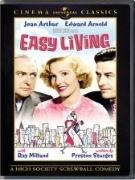
I'm starting with my favorite of the quartet - 1937’s Easy Living, the daffy Jean Arthur-Ray Milland-Edward Arnold
comedy that hasn't loss a speck of its sparkle. The plot for this frothy concoction begins when millionaire banker Arnold,
in a fit of frustration at his wife's extravagant spending, tosses her newly purchased fur coat over the balcony of their
penthouse. Arthur plays a single gal on her way to work who is riding by in the top row of a double decker bus and the
coat lands on her head. From that point, Preston Struges' zany script follows Arthur from one misadventure to another
(the scene in the automat with Miland is a classic). Arthur was a one of kind talent, one that was hard to classify then and
now. Whatever the sublime Arthur had, IT is shown off here superlatively. This is what they used to call a screwball
comedy and if any film deserves that description, it's the delightful Easy Living. Next up is the film that saved Paramount
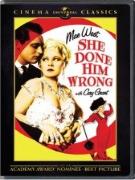
from bankruptcy, 1933's She Done Him Wrong. Based on Mae West's bawdy Broadway hit, "Diamond Lil" this is the
supposed "cleaned up" version but it's still plenty bawdy and immediately established the West persona for film
audiences (she would only make 11 more films and all are variations on this one). West plays what would become her
stock character - a woman dressed in the gay 90s feather boas and cartwheel hats who struts around the stage before
adoring audiences singing her risque songs and tossing off one witty bon mot after another to her maid and potential
suitors. This is the film where Mae as Lady Lou tells a very young Cary Grant (as the head of a mission house) to come
up and "see me sometime." Naturally, Grant gets in line behind a host of other men to do so (they include Gilbert
Roland). In one scene, West also visits an old beau in prison and says hello to "the Cherry Sisters," two male inmates
who greet her, arms entwined. This is one of screendom's first open acknowledgements of gay sexuality and it's no
surprise that it comes from the sexually liberated West or that her quips are still fresh and funny 85 years after they were
immortalized in this film.
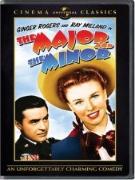
Ginger Rogers stars in the next Universal Cinema Classic, 1942's The Major and the Minor which was also Billy
Wilder's directorial debut. Rogers, who was coming off her Oscar win for her dramatic career girl role in Kitty Foyle plays
another big city girl - but one who has had it after Robert Benchley as a wolf in search of a girl and a martini goes a little
too far. So it's back to Smalltown USA but Rogers doesn't have all the train fare and pretends to be 12 in order to get the
kiddie rate. Evading a suspicious conductor, she dashes into Ray Milland's compartment who falls for the ruse and
further, offers her a place to stay at his fiancee's home. The fiancee is also fooled but not her cagey little sister. That's
just the set up for an expertly paced comedy that features Rogers' patented heart of gold show girl sensibility. Though
Rogers is far from convincing as the 12 year-old (about as convincing as Barbara Streisand as a boy in Yentl, say), Wilder
loads the picture with enough laughs (and a dash of arsenic to the lines here and there) that it won't matter. An
overlooked gem when studio comedies like these were the rule rather than the exception. Finally, Universal is bringing
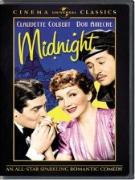
out another sublime comedy, 1939's Midnight which finds Claudette Colbert as a down on her luck nightclub singer
looking for work in Paris. She's squired about by cabbie Don Ameche and then gets the big idea of impersonating a
countess. Marvelous Mary Astor provides expert support in this Billy Wilder-Charles Brackett script. It's a delight - though
I'm basing that on a viewing of the film from years past as Universal left this one out of their package! (HEY UNIVERSAL:
I'D DEARLY LOVE A COPY OF THIS IN YOUR NEXT MAILING!)
birthday with an assortment of titles favoring her on again/off again film work in the 1950s. The set, attractively
packaged (with the DVDs in slim cases - my bookshelf thanks you) includes a nicely detailed insert booklet and kicks off
with a much desired two-disc special edition of 1950's All About Eve. The film contains what may be arguably Davis'
greatest performance - certainly as Margo Channing, the aging theatrical diva, she found a role that perfectly fused her
off screen sensibilities with her on screen ones. In addition to the special features included on the previous release, Fox
has included a lot more background material on writer-director Joe Mankiewicz, the origins of the real life "Eve" and much
more. Plenty for casual fans and fanatics (like myself) to dig into. Then we get Davis in a supporting though pivotal in
1952's Phone Call From a Stranger, which is essentially a vehicle for Davis' then husband Gary Merrill, and then another new
to DVD release: 1955's The Virgin Queen, one of Davis' few films in color in which she takes on the part of Queen Elizabeth
for the second time, co-starring with Richard Todd and Joan Collins. Davis' performance takes some getting used to
(especially in light of Cate Blanchett's more recent, thrilling interpretation) but once the fire kicks in, the famed Davis
personality takes over. 1964's Hush, Hush Sweet Charlotte, already released is next up but this set includes several new
worthy extras (though the few outtake scenes with one time co-star Joan Crawford aren't among them, stills of Joan ARE
here). Finally, I was thrilled to have 1965's The Nanny at last on DVD. This tricky little thriller features a restrained
performance by Davis (one of her few) that scared me plenty as a child. I am happy to report that Davis as the unhinged
nanny, with her huge eyes betraying her murderous scheme, still left me unnerved. All in all, a terrific set.
Universal Studios has added four new VERY welcome titles to their Cinema Classics Series, all making their DVD debuts.
Though the discs again don’t include any Special Features (other than informative though brief introductions by TCM’s
Robert Osborne and the film trailer), these are true classics and must haves for your collection.
I'm starting with my favorite of the quartet - 1937’s Easy Living, the daffy Jean Arthur-Ray Milland-Edward Arnold
comedy that hasn't loss a speck of its sparkle. The plot for this frothy concoction begins when millionaire banker Arnold,
in a fit of frustration at his wife's extravagant spending, tosses her newly purchased fur coat over the balcony of their
penthouse. Arthur plays a single gal on her way to work who is riding by in the top row of a double decker bus and the
coat lands on her head. From that point, Preston Struges' zany script follows Arthur from one misadventure to another
(the scene in the automat with Miland is a classic). Arthur was a one of kind talent, one that was hard to classify then and
now. Whatever the sublime Arthur had, IT is shown off here superlatively. This is what they used to call a screwball
comedy and if any film deserves that description, it's the delightful Easy Living. Next up is the film that saved Paramount
from bankruptcy, 1933's She Done Him Wrong. Based on Mae West's bawdy Broadway hit, "Diamond Lil" this is the
supposed "cleaned up" version but it's still plenty bawdy and immediately established the West persona for film
audiences (she would only make 11 more films and all are variations on this one). West plays what would become her
stock character - a woman dressed in the gay 90s feather boas and cartwheel hats who struts around the stage before
adoring audiences singing her risque songs and tossing off one witty bon mot after another to her maid and potential
suitors. This is the film where Mae as Lady Lou tells a very young Cary Grant (as the head of a mission house) to come
up and "see me sometime." Naturally, Grant gets in line behind a host of other men to do so (they include Gilbert
Roland). In one scene, West also visits an old beau in prison and says hello to "the Cherry Sisters," two male inmates
who greet her, arms entwined. This is one of screendom's first open acknowledgements of gay sexuality and it's no
surprise that it comes from the sexually liberated West or that her quips are still fresh and funny 85 years after they were
immortalized in this film.
Ginger Rogers stars in the next Universal Cinema Classic, 1942's The Major and the Minor which was also Billy
Wilder's directorial debut. Rogers, who was coming off her Oscar win for her dramatic career girl role in Kitty Foyle plays
another big city girl - but one who has had it after Robert Benchley as a wolf in search of a girl and a martini goes a little
too far. So it's back to Smalltown USA but Rogers doesn't have all the train fare and pretends to be 12 in order to get the
kiddie rate. Evading a suspicious conductor, she dashes into Ray Milland's compartment who falls for the ruse and
further, offers her a place to stay at his fiancee's home. The fiancee is also fooled but not her cagey little sister. That's
just the set up for an expertly paced comedy that features Rogers' patented heart of gold show girl sensibility. Though
Rogers is far from convincing as the 12 year-old (about as convincing as Barbara Streisand as a boy in Yentl, say), Wilder
loads the picture with enough laughs (and a dash of arsenic to the lines here and there) that it won't matter. An
overlooked gem when studio comedies like these were the rule rather than the exception. Finally, Universal is bringing
out another sublime comedy, 1939's Midnight which finds Claudette Colbert as a down on her luck nightclub singer
looking for work in Paris. She's squired about by cabbie Don Ameche and then gets the big idea of impersonating a
countess. Marvelous Mary Astor provides expert support in this Billy Wilder-Charles Brackett script. It's a delight - though
I'm basing that on a viewing of the film from years past as Universal left this one out of their package! (HEY UNIVERSAL:
I'D DEARLY LOVE A COPY OF THIS IN YOUR NEXT MAILING!)
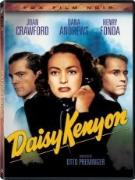
Fox has three new titles in their excellent Film Noir series though the most prominent, 1947's Daisy Kenyon isn't noir
as most people have come to expect it. There are no murderous dames with pistols stuck deep in their mink coats, rain
slicked piers where shadowy killers await or nasty villains. But the film LOOKS like a noir and the intensity of the playing
of Joan Crawford in the leading part and Dana Andrews as her married vis a vis certainly fits the bill. It's more of a
melodrama noir and a very entertaining one at that. Crawford can't quite let go of her relationship with Andrews after she
becomes serious about Henry Fonda as a WWII veteran, who is having a lot of trouble shaking off his war experiences.
The film, based on a best selling novel, gives Crawford, who was once again riding high after her Mildred Pierce Oscar win, a
great part with the emotional histrionics she excelled at. Director Otto Preminger wrangles her as best he can, gets a
rather complex performance out of Andrews while Fonda walks through the sets (as he often does - I find Fonda highly
overrated). Ruth Warrick gets a nice bit as Andrews' hysterical wife while Peggy Ann Garner plays the daughter that gets
the brunt of her anger (in the form of physical abuse). The disc includes a new making of featurette that includes expert
commentary by my favorite film historian (and Preminger biographer), Foster Hirsch.
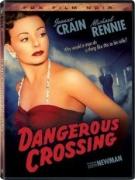
Jeanne Crain, Michael Rennie, and a young Carl Betz co-star in 1953's Dangerous Crossing, a nice little ship crossing
the Atlantic mystery that finds newlywed Crain questioning her sanity after Betz as her husband disappears right after the
bon voyage. Rennie plays the ship's doctor who sympathizes with her plight but even he has a hard time believing Crain -
especially after she claims she's seen her husband during a foggy night up on deck. The mystery builds along with
Crain's hysteria to a nice conclusion. Much of the action takes place during the evening hours when the decks are awash
in fog (the film was shot utilizing the sets from the Barbara Stanwyck-Clifton Webb version of Titanic) adding to the
unease. A nice diversion and again, Fox includes an informative making of featurette and some other goodies. This,
they also do with the third new addition to the series, 1954's Black Widow. Again, calling this Cinemascope, color by
Deluxe feature a "film noir" is stretching things more than a tad but nevertheless, the film is an enjoyable look at
sophisticated and nasty "theatre folk" taken in by a latter day Eve Harrington (the Black Widow of the title played by a
grown up Peggy Ann Garner who plays a young writer with designs on a famous playwright essayed by Van Heflin). Ginger
Rogers, Gene Tierney (in a smallish part) and George Raft are also part of the mix. Rogers is great as the tough as
nails, overbearing Broadway star. The plot doesn't make a lot of sense but it's a not too demanding mystery and the
Cinemascope presentation (directed by Fox's resident Cinemascope expert Henry King) and the time period, with its over
the top fashions and decor, is always a pleasure to luxuriate in.
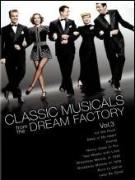
From Film Noir we move to musicals, musicals, musicals - nine of 'em! That's how many Warner Home Video has included
in Classic Musicals from the Dream Factory, Vol. 3. Warners previous sets in the series would seem to have
dried up the best of the MGM musicals and to be, sure, there's nothing in this collection that catches the eye the way that
The Pirate and That's Dancing did from the previous volume and The Band Wagon and Easter Parade from the original set but
with that said, there's still much to treasure in this new edition. The movies cover a 20 year period - from 1935 to 1955
and start with three movies that showcased tap dancer Eleanor Powell. These are The Broadway Melody of 1936, Born to
Dance (with Powell co-starring with Jimmy Stewart) and my favorite of this trio, The Broadway Melody of 1938 in which Powell
makes room onscreen (and how) for Judy Garland (who sings her breakthrough number "You Made Me Love You") and
Sophie Tucker (yes, THAT Sophie Tucker) as Judy's mother who belts out "Some of These Days." Buddy Ebsen and
Garland also get the famous tap dance number. The plot, which involves the impossibly beautiful Robert Taylor as a
millionaire playboy dabbling in show business isn't so hot and Powell was just, well, a lousy actress, but as usual MGM's
sumptuous production design and quick pacing pay off. By 1941 Powell would take a back seat to Ann Sothern and
Robert Young as a songwriting team who keep making up to break up in Lady Be Good. Sothern is at turns sassy and
heartfelt and sings a beautiful "The Last Time I Saw Paris" (it won the Oscar that year) and Busby Berkley stages the big
finish. An enjoyable backstage musical.
We then move on to two Jane Powell vehicles, Nancy Goes to Rio and Two Weeks With Love, both from 1950. Powell has
never been my cup of tea but MGM gave her dazzling Technicolor and expert co-stars (Ann Sothern plays her mother in
the former and Debbie Reynolds and Carleton Carpenter are funny in the latter) and I like the bonus feature with TCM's
Robert Osborne in-depth chat with Powell. Deep In My Heart from 1954 is another of those showcase films in which most of
the remaining MGM musical talent take a turn (ala 1946's Ziegfeld Follies and 1948's Words & Music) with differing results.
The movie utilizes the songs of Sigmund Romberg (with Jose Ferrer playing him) and everyone from Cyd Charisse to
Gene Kelly's brother Fred (in his only screen appearance) are on hand. Lots and lots of songs from the Romberg chestnut
"The Desert Song" are included. Finally, there is yet another of Metro's "sailor" musicals - Hit the Deck - this one with
Debbie Reynolds, Jane Powell, Ann Miller, Vic Damone, et al and one terrific finale number ("Hallalujah") and my personal
favorite in the set, Kismet. Based on the Broadway smash and directed by Vincente Minnelli, Howard Keel plays the crafty
title character who begins the film as a poor poet and ends up as rich as a sultan. Keel is never less than expert in his
playing, his singing's a dream and he's given a proper leading lady in the sadly underused Dolores Gray who practically
melts the screen each time she speaks. Ann Blyth plays Keel's love struck daughter, smitten by cow eyed Vic Damone as
her would be prince. An outtake from one of Gray's musical numbers is included. Though the picture lags in the energy
department (Minnelli was clearly not the man to bring this fabulous Arabian nights tale to the screen), the beautiful score
("Stranger in Paradise," etc.) help it go down more easily.
as most people have come to expect it. There are no murderous dames with pistols stuck deep in their mink coats, rain
slicked piers where shadowy killers await or nasty villains. But the film LOOKS like a noir and the intensity of the playing
of Joan Crawford in the leading part and Dana Andrews as her married vis a vis certainly fits the bill. It's more of a
melodrama noir and a very entertaining one at that. Crawford can't quite let go of her relationship with Andrews after she
becomes serious about Henry Fonda as a WWII veteran, who is having a lot of trouble shaking off his war experiences.
The film, based on a best selling novel, gives Crawford, who was once again riding high after her Mildred Pierce Oscar win, a
great part with the emotional histrionics she excelled at. Director Otto Preminger wrangles her as best he can, gets a
rather complex performance out of Andrews while Fonda walks through the sets (as he often does - I find Fonda highly
overrated). Ruth Warrick gets a nice bit as Andrews' hysterical wife while Peggy Ann Garner plays the daughter that gets
the brunt of her anger (in the form of physical abuse). The disc includes a new making of featurette that includes expert
commentary by my favorite film historian (and Preminger biographer), Foster Hirsch.
Jeanne Crain, Michael Rennie, and a young Carl Betz co-star in 1953's Dangerous Crossing, a nice little ship crossing
the Atlantic mystery that finds newlywed Crain questioning her sanity after Betz as her husband disappears right after the
bon voyage. Rennie plays the ship's doctor who sympathizes with her plight but even he has a hard time believing Crain -
especially after she claims she's seen her husband during a foggy night up on deck. The mystery builds along with
Crain's hysteria to a nice conclusion. Much of the action takes place during the evening hours when the decks are awash
in fog (the film was shot utilizing the sets from the Barbara Stanwyck-Clifton Webb version of Titanic) adding to the
unease. A nice diversion and again, Fox includes an informative making of featurette and some other goodies. This,
they also do with the third new addition to the series, 1954's Black Widow. Again, calling this Cinemascope, color by
Deluxe feature a "film noir" is stretching things more than a tad but nevertheless, the film is an enjoyable look at
sophisticated and nasty "theatre folk" taken in by a latter day Eve Harrington (the Black Widow of the title played by a
grown up Peggy Ann Garner who plays a young writer with designs on a famous playwright essayed by Van Heflin). Ginger
Rogers, Gene Tierney (in a smallish part) and George Raft are also part of the mix. Rogers is great as the tough as
nails, overbearing Broadway star. The plot doesn't make a lot of sense but it's a not too demanding mystery and the
Cinemascope presentation (directed by Fox's resident Cinemascope expert Henry King) and the time period, with its over
the top fashions and decor, is always a pleasure to luxuriate in.
From Film Noir we move to musicals, musicals, musicals - nine of 'em! That's how many Warner Home Video has included
in Classic Musicals from the Dream Factory, Vol. 3. Warners previous sets in the series would seem to have
dried up the best of the MGM musicals and to be, sure, there's nothing in this collection that catches the eye the way that
The Pirate and That's Dancing did from the previous volume and The Band Wagon and Easter Parade from the original set but
with that said, there's still much to treasure in this new edition. The movies cover a 20 year period - from 1935 to 1955
and start with three movies that showcased tap dancer Eleanor Powell. These are The Broadway Melody of 1936, Born to
Dance (with Powell co-starring with Jimmy Stewart) and my favorite of this trio, The Broadway Melody of 1938 in which Powell
makes room onscreen (and how) for Judy Garland (who sings her breakthrough number "You Made Me Love You") and
Sophie Tucker (yes, THAT Sophie Tucker) as Judy's mother who belts out "Some of These Days." Buddy Ebsen and
Garland also get the famous tap dance number. The plot, which involves the impossibly beautiful Robert Taylor as a
millionaire playboy dabbling in show business isn't so hot and Powell was just, well, a lousy actress, but as usual MGM's
sumptuous production design and quick pacing pay off. By 1941 Powell would take a back seat to Ann Sothern and
Robert Young as a songwriting team who keep making up to break up in Lady Be Good. Sothern is at turns sassy and
heartfelt and sings a beautiful "The Last Time I Saw Paris" (it won the Oscar that year) and Busby Berkley stages the big
finish. An enjoyable backstage musical.
We then move on to two Jane Powell vehicles, Nancy Goes to Rio and Two Weeks With Love, both from 1950. Powell has
never been my cup of tea but MGM gave her dazzling Technicolor and expert co-stars (Ann Sothern plays her mother in
the former and Debbie Reynolds and Carleton Carpenter are funny in the latter) and I like the bonus feature with TCM's
Robert Osborne in-depth chat with Powell. Deep In My Heart from 1954 is another of those showcase films in which most of
the remaining MGM musical talent take a turn (ala 1946's Ziegfeld Follies and 1948's Words & Music) with differing results.
The movie utilizes the songs of Sigmund Romberg (with Jose Ferrer playing him) and everyone from Cyd Charisse to
Gene Kelly's brother Fred (in his only screen appearance) are on hand. Lots and lots of songs from the Romberg chestnut
"The Desert Song" are included. Finally, there is yet another of Metro's "sailor" musicals - Hit the Deck - this one with
Debbie Reynolds, Jane Powell, Ann Miller, Vic Damone, et al and one terrific finale number ("Hallalujah") and my personal
favorite in the set, Kismet. Based on the Broadway smash and directed by Vincente Minnelli, Howard Keel plays the crafty
title character who begins the film as a poor poet and ends up as rich as a sultan. Keel is never less than expert in his
playing, his singing's a dream and he's given a proper leading lady in the sadly underused Dolores Gray who practically
melts the screen each time she speaks. Ann Blyth plays Keel's love struck daughter, smitten by cow eyed Vic Damone as
her would be prince. An outtake from one of Gray's musical numbers is included. Though the picture lags in the energy
department (Minnelli was clearly not the man to bring this fabulous Arabian nights tale to the screen), the beautiful score
("Stranger in Paradise," etc.) help it go down more easily.